Recovery gets portrayed as an individual journey. One person, fighting their demons, finding their strength, rebuilding their life. It is an inspiring story, and it is incomplete. Long-term recovery from addiction is nearly impossible without community. Human beings are wired for connection. We need other people to survive and to heal. Isolation feeds addiction, and community is the strongest thing working against it. You cannot recover alone, no matter how tough you think you are.
Addiction thrives in isolation. It tells you that no one understands, that you are beyond help, that your problems are so unique that sharing them would only bring rejection. And the isolation is not only in your head. The person using tends to pull away from friends, family, and social life. They may lose the job that gave them daily contact with others. They may burn through the goodwill of the people who care. Little by little the world shrinks until the only relationship left standing is the one with the substance.
Breaking that isolation is one of the most important steps in recovery, and it is not easy. The person may have hurt people they love. They may feel too ashamed to reach out. They may genuinely not know how to build healthy connections anymore, because those muscles have gone slack. Rebuilding takes vulnerability, and vulnerability is terrifying after years of hiding behind substances and secrecy. It can feel like stepping onto a tightrope. What people learn, slowly, is that there is a net down there after all.
Support groups are one of the most effective ways to rebuild community in recovery. Alcoholics Anonymous, Narcotics Anonymous, Gamblers Anonymous, and others give people a place to say hard things without being judged. There is something powerful about sitting in a room with people who have walked the same road. It cuts the isolation. It makes the struggle feel less like a personal defect and more like a shared human thing. "One day at a time" is not only about staying sober. It is also about showing up for the people around you, day after day, so they will show up for you.
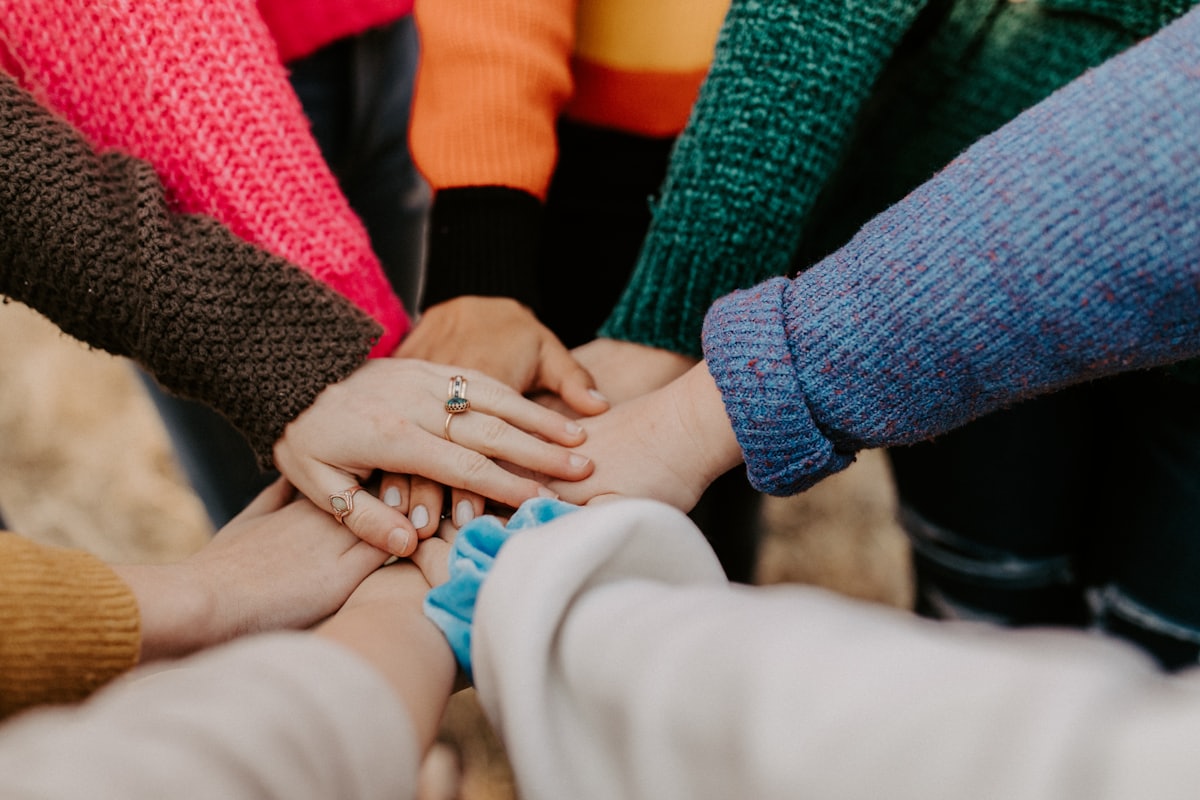
Community in recovery goes well beyond support groups, though. It includes family, friends, coworkers, neighbors, and faith communities. The people who show up when you are struggling and celebrate when you are doing well. The ones who hold you accountable without shaming you, and who remind you who you are when the addiction is trying to convince you that you are someone else. Those connections are the safety net that catches you when you stumble.
Professional community counts too. Therapists, counselors, doctors, and wellness coaches all become part of the recovery network. They bring expertise, structure, and a steadying hand through the chaos of early recovery. Theirs is a different kind of relationship, bound by professional ethics and focused squarely on the person's wellbeing, and it works alongside the peer support of groups and the personal support of loved ones to cover the whole picture.
At CHARS Consulting, we treat community as essential rather than optional, and we build it in from day one. We offer group therapy where clients connect with others who understand the struggle. We provide family therapy to help repair damaged relationships and create a home that supports recovery instead of undermining it. We connect people to peer networks and community resources that reach well beyond our own walls, because recovery does not stop when treatment stops. It carries on in whatever community the person builds around themselves.
We also know that not everyone has a ready-made community to lean on. Some people have burned every bridge. Some come from families where addiction is the rule rather than the exception. Some have landed in a new city and know no one at all. For them, we help build a community from scratch. We teach the basics of forming healthy relationships, help them find groups and activities that fit their values, and stand with them as they take the frightening step of reaching out. Everyone deserves people, even if they have to go out and find them one at a time.
The research backs this up. Studies consistently find that people with strong social support do better in addiction treatment. They relapse less. They report more satisfaction with their lives. They are more likely to hold onto work and stable housing. Community is not just a warm idea. It is a clinical factor that predicts whether recovery lasts, and unlike most medicine, it is free.
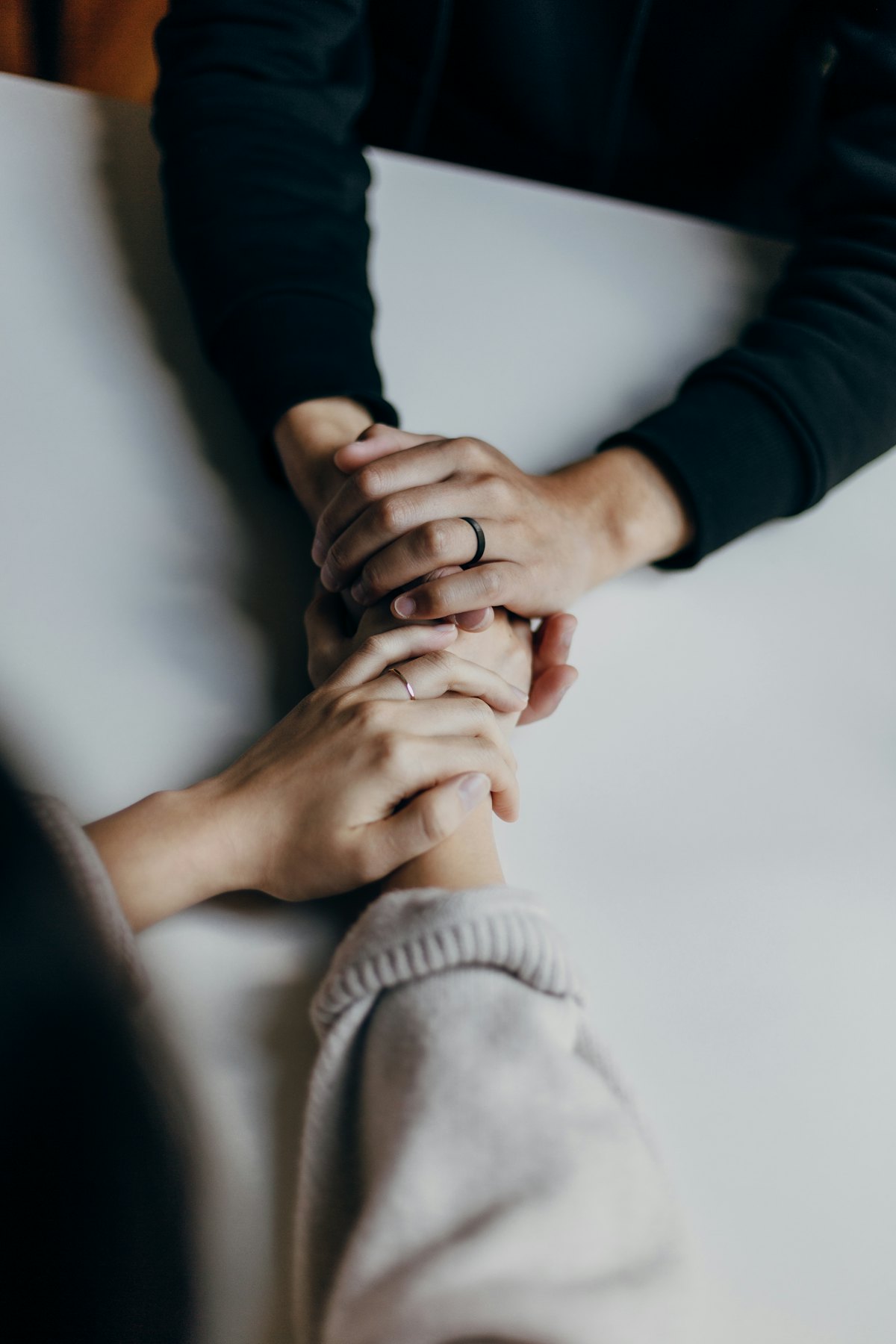
If you are in recovery and feeling isolated, community is possible even when it feels miles out of reach. It starts with one connection. One conversation. One meeting. One person who sees you and does not flinch. That single thread can grow into a network that holds you through the hardest stretches. You do not have to do this alone, and you were never meant to.
At CHARS Consulting, we are part of your community. We are here to walk alongside you and help you build the connections that will carry you forward. Recovery works better as a team effort, and we are on your team. Let us help you find your people. They are out there, and the first move is yours to make.