
Getting sober is hard. Staying sober is harder. The detox and the early weeks get a lot of attention, and rightly so, because withdrawal is brutal on the body and the mind. Every instinct screams at you to go back to what you know. But the real test often begins after the crisis passes and ordinary life picks back up. This is where a lot of people relapse, not because they want to use again, but because they never built a life that felt worth protecting. They got sober without getting better. They took the substance out and put nothing in, and the emptiness became unbearable.
Sobriety is more than the absence of substances. If all you do is remove the drugs or alcohol without putting meaning, connection, and some emotional steadiness in their place, you are left with a void. Voids are uncomfortable. They beg to be filled. If you do not fill them on purpose, the old coping mechanisms will creep back in, because the brain does not tolerate emptiness for long. It will find something to occupy the space, and if you have not chosen what that something is, it tends to be the same thing that got you here.
The first step in building a life worth staying sober for is figuring out what you actually want. That sounds simple, but for a lot of people in recovery it is surprisingly hard. Addiction narrows your world down to the next drink, the next hit, the next bet. You lose touch with the hobbies and relationships and dreams that once mattered. So recovery is partly an excavation. You dig through the rubble to remember who you were before addiction took over. Sometimes there is nothing to remember, because it started so young that you never got to build an identity in the first place, and then the work is discovering who you are for the very first time.
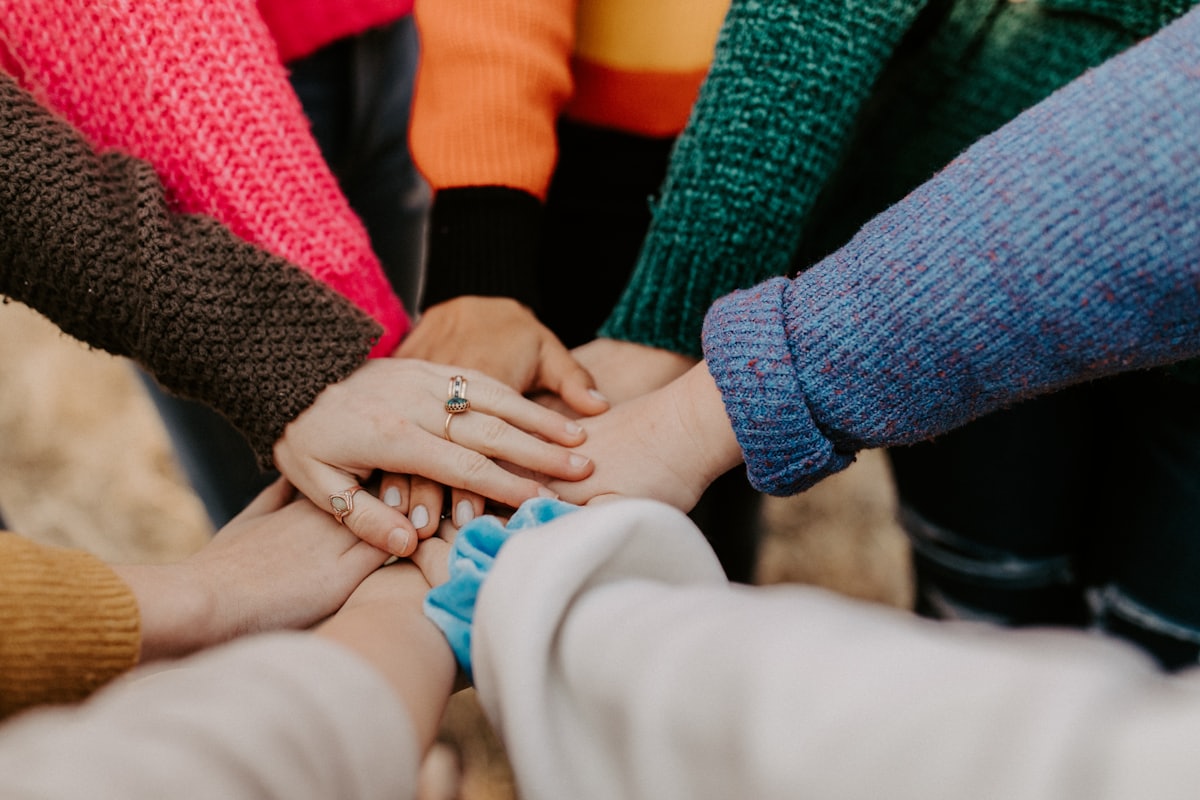
Relationships are the foundation of lasting recovery, and not just any relationships. Healthy ones. Addiction tends to burn trust and leave behind patterns of codependency, enabling, or plain isolation. Rebuilding real connection takes time. It means showing up when you do not feel like it, being honest when it is uncomfortable, and staying present instead of checking out. For a lot of people this is the hardest part of all. Intimacy and trust do not come easily when you have spent years hiding behind a substance. But you cannot recover alone, so it has to be done anyway.
Purpose matters just as much, and it does not have to be grand. Not everyone needs a calling that changes the world. Purpose can be small. Showing up for your kids. Volunteering at the animal shelter on Saturday mornings. Learning a skill, rebuilding a career, being the friend who actually shows up when they say they will. What it needs to do is give you a reason to get out of bed that is bigger than your own discomfort. It ties you to something outside yourself and reminds you that you matter to other people.
Physical health cannot be ignored in recovery. The body and mind are connected in ways you cannot pull apart, and neglecting one drags down the other. Regular movement, decent sleep, and real food are not luxuries here. Exercise cuts cravings, lifts mood, and helps rebuild the brain's reward system in a healthy way. Poor sleep ramps up anxiety and impulsivity. Bad nutrition leaves you depleted and shaky. Taking care of your body is a way of telling yourself, quietly and daily, that you are worth taking care of.
Mental health maintenance does not end when treatment does. Recovery does not cure depression, anxiety, or trauma. Those issues usually predate the addiction and outlast the sobriety. Ongoing therapy, medication when it is needed, and steady self-care all matter. The mistake a lot of people make is assuming that once they are sober the hard part is over. In truth, sobriety is the starting line. The real work is learning to live well without the thing that used to make life bearable, to sit with discomfort instead of running from it, to feel your feelings without drowning them.
At CHARS Consulting, life-building is a core part of our recovery programs. We do not just help people stop using. We help them create lives that make using unnecessary. That includes vocational support, relationship counseling, wellness coaching, and continued mental health care. We do not think recovery means returning to who you were before addiction. It usually means becoming someone new, someone who knows how to handle life without an escape hatch. The goal is a life good enough that going back would feel like a downgrade.
If you are in recovery and something feels like it is missing, that feeling is normal, and it is also a signal that it is time to build. Build the relationships. Build the purpose. Build the health. Build a life full enough that the old patterns lose their pull. That is what recovery is supposed to look like, not just surviving without substances but genuinely not needing them anymore. That life is possible, and you are capable of building it, one day at a time.