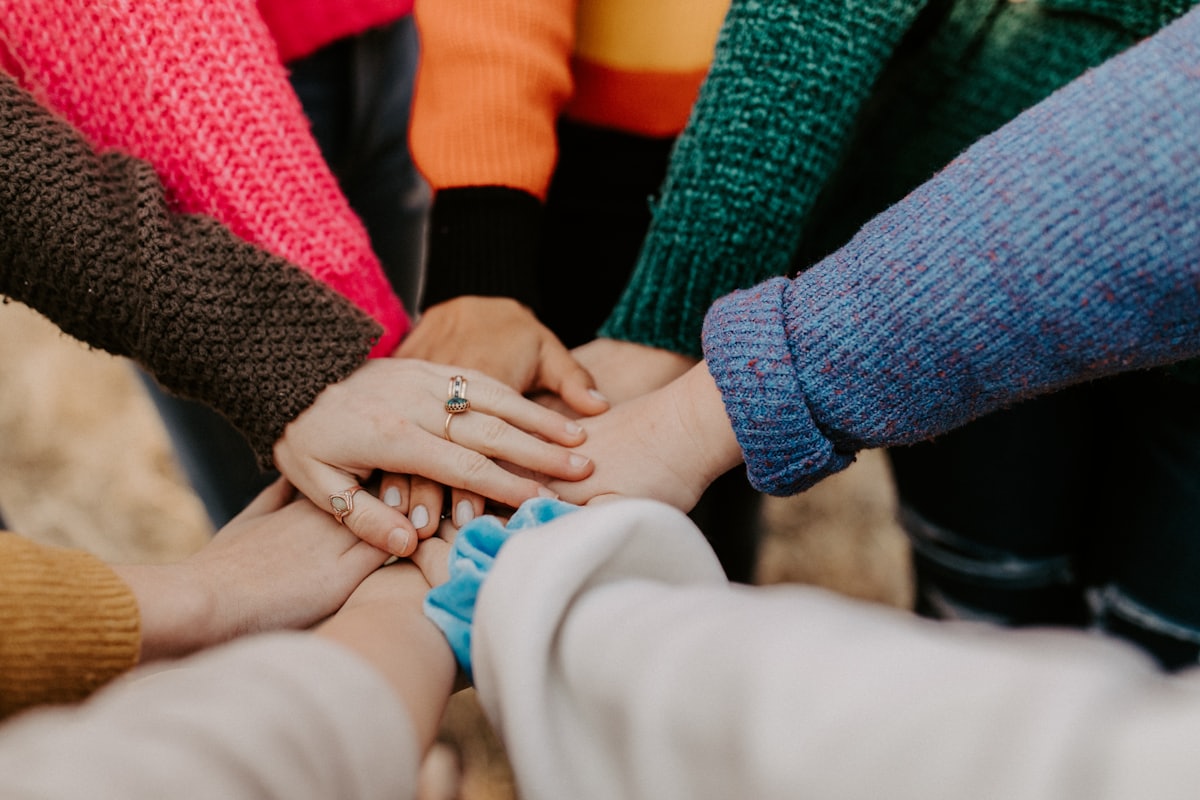

When people think about addiction, they usually picture the person who is using. The one drinking too much, gambling away the savings, or disappearing for days at a time. But addiction is never a solo act. It ripples outward and touches everyone around the person. Families are usually the first to feel it and the last to get help, and that gap costs everyone dearly.
Addiction changes how a family works, subtly at first and then all at once. The person using becomes unpredictable. Loving and present one day, angry and distant the next. Everyone else learns to walk on eggshells, trying to avoid triggering the next outburst. Children grow up in homes where the tension is constant and stability is a fantasy. They learn to read moods, to anticipate trouble, to manage the emotions of the adults around them. Those are survival skills, and they come at the price of an actual childhood.
The financial hit is often immediate and severe. Money meant for rent or groceries or the kids gets diverted to the addiction. Debts pile up. Savings vanish. Family members take on extra jobs, borrow from relatives, and make impossible choices about which bills to pay this month. That financial fear stacks on top of the emotional strain of living with someone in active addiction, and the hopelessness it breeds can be every bit as corrosive as the substance itself.
Trust erodes in ways that are hard to repair. The person using lies. About where they have been, where the money went, why they are late, why they missed work. At first the family believes them. Then they start to doubt. Eventually they stop believing anything. A simple question like "Where were you?" becomes loaded with suspicion. What used to be a source of support turns into a standoff, and love gets buried under all the doubt.
Children are especially vulnerable. They often blame themselves for a parent's behavior. They may develop anxiety, depression, or trouble at school. They may struggle to form healthy relationships later, or find themselves repeating the very patterns they grew up watching. Growing up in a home shaped by addiction can leave a mark that lasts a lifetime, even for a child who never touches a substance. The trauma is real, and these kids are too often the ones nobody thinks to check on.
Partners carry a particular kind of grief. They are mourning the person they fell in love with while still living with the person the addiction has produced. They may feel trapped by finances, by children, or by the stubborn hope that things will get better. Many become enablers without meaning to, covering, making excuses, quietly picking up the responsibilities their partner has dropped. That enabling comes straight out of love, and it still keeps the addiction alive. It is one of the hardest things to watch a good person do.
Siblings tend to get overlooked entirely. The family's attention goes to whoever is in crisis, and the sibling is expected to be fine, to not make waves, to hold it together. Some feel resentment or guilt. Some feel invisible. Some overcompensate and become high achievers, while others act out. Either way they are shaped by an addiction they never went near, living in the shadow of a crisis that eats up all the family's energy while their own needs slide to the margins.
Here is the more hopeful part. Families can heal, but they need support of their own. Treatment that focuses only on the person using is incomplete. Family therapy, education, and support groups matter. Family members need to understand addiction as a disease rather than a moral failing. They need to learn how to set boundaries without abandoning the person they love, and they need room to process their own grief. Rebuilding trust is slow work that cannot be rushed, and pretending otherwise only sets everyone up for disappointment.
At CHARS Consulting, we offer family support because addiction is a family disease. We provide family therapy, educational workshops, and support groups for people trying to figure out how to love someone through this. We help families see the difference between helping and enabling. We help them communicate. And we help them tend to their own wounds, whether or not the person in recovery is ready to take part. The whole family got hurt, so we work with the whole family.
If you are the family member of someone with an addiction, your pain is valid. You do not have to be the one using to deserve help, and you do not have to carry this alone. There are resources, and there are people who understand exactly what you are living through. Your wellbeing matters just as much as anyone else's in this. It is never too late to reach out, and honestly, most people wait far longer than they should.
Addiction touches everyone who loves the person using. But recovery can be a family affair too. When one person heals, the people around them feel it. And when the whole family heals together, recovery tends to hold. That is the work we do at CHARS Consulting. We treat the whole system, because everyone in it deserves a chance to get well.